
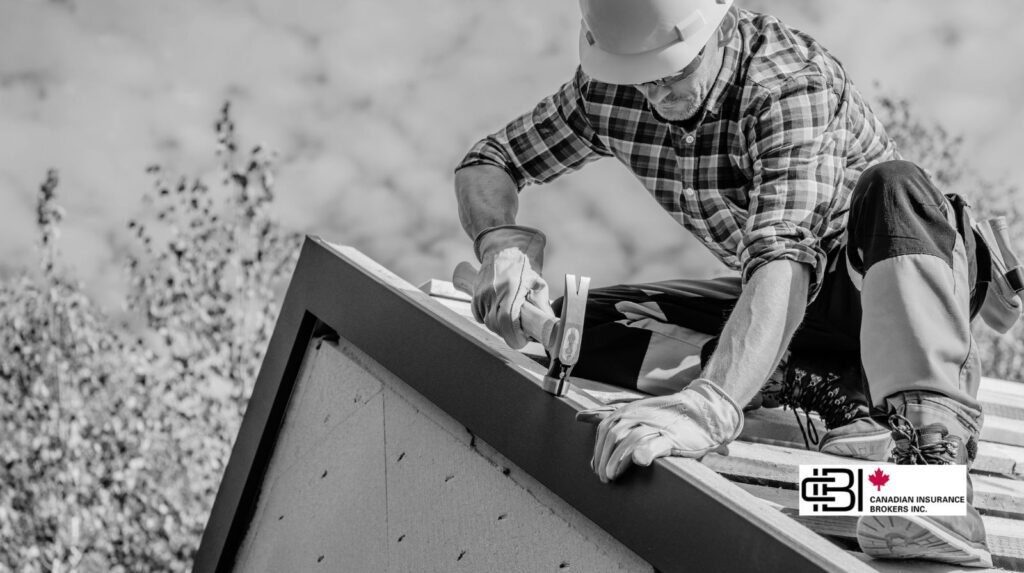
Roofers Insurance in Oakville
We provide professional insurance guidance for businesses and individuals through a secure and confidential quote process designed to be clear, efficient, and easy to begin.

Locally established in Oakville, Ontario

Coverage designed to match your business needs

Insurance options reviewed across markets and emailed to you

Roofers Insurance in Oakville

We provide professional insurance guidance for businesses and individuals through a secure and confidential quote process designed to be clear, efficient, and easy to begin.

Locally established in Oakville, Ontario

Coverage designed to match your business needs
Insurance options reviewed across markets and emailed to you

Roofers play a crucial part in keeping Oakville homes and commercial buildings dry, safe and structurally sound. Whether you are repairing shingles in West Oakville, completing a full tear off in Downtown Oakville, or handling wind damage repairs in Bronte, clients expect professional work, strong safety practices and reliable communication.
Roofing insurance protects your business from unexpected costs related to property damage, falls, equipment theft or disputes over completed work. It also helps you meet the expectations of homeowners, builders, landlords and property managers throughout Oakville.
Quick Steps to Get CGL Insurance in Oakville
- Start with a quick call or text
Call 647-966-7093, visit the Commercial Insurance Quote page, or fill out the quick quote form. You can also book a phone meeting at a time that works for you.
- Share a few details
Tell us about the roofing work you handle. Many Oakville roofers focus on:
- Shingle replacement and repairs
- Full tear offs and reroofing
- Flat roofing systems
- Skylight installation
- Soffit, fascia and eavestrough work
We will also ask about your revenue, subcontractor use, tool values, roof height ranges, ladder safety procedures and whether you work on condos or commercial buildings across Oakville and surrounding neighbourhoods.
- Choose your coverage
Most roofers select:
- Two million in Commercial General Liability
- Tools and equipment coverage
- Completed operations
- Commercial auto coverage
- WSIB if you have employees
If you hire subcontractors for specialty tasks, they must provide their own certificate of insurance. Oakville homeowners, builders and property managers expect this.
- Get your certificate fast
Working on a condo roofing job or a commercial property? Certificates are often issued the same day and can include any additional insured wording required by property managers, condo boards or businesses throughout Oakville.
What Is Roofing Insurance?
Roofing insurance is commercial insurance tailored to businesses that work on roofs for a living. It is designed for the real risks roofers face in Ontario, such as falls from height, damage to a client’s property, debris affecting neighbouring homes and disputes over leaks after a job is finished.
For an Oakville roofers, roofing insurance acts as a financial safety net. It helps pay for covered claims, legal defence costs and certain repairs when something goes wrong on a job, and it provides the proof of coverage that homeowners, condo boards and property managers expect before allowing you on their roof.
Why Does Roofing Insurance Matter in Oakville?
Oakville’s mix of older homes, high value properties and lake influenced weather means roofers face increased exposure. A single slip or one dropped bundle of shingles can create thousands of dollars in damage. Clients in Oakville also tend to be cautious and expect proof of insurance before approving a project.
In neighbourhoods like Kerr Village and Downtown Oakville where homes sit closer together, the chance of hitting a neighbour’s property is higher. Near the lake in Bronte, wind can carry debris farther than expected. In Glen Abbey and West Oakville, larger multi level homes increase the number of ladder transitions and time spent at height.
If a homeowner, commercial client or builder requests a certificate of insurance and you cannot provide one quickly you may lose the job. Strong insurance protection and fast certificate turnaround are essential for roofers working in Oakville.
What Should Roofers in Oakville Carry?
- General Liability Insurance: Protects you if you accidentally cause property damage or bodily injury during work.
- Equipment or Inland Marine Insurance: Covers tools, ladders, generators, compressors and materials that move between job sites. Theft from trucks is one of the most common claims for roofers in Oakville.
- Commercial Property Insurance: For any equipment or inventory stored at a shop or storage unit.
- Commercial Auto Insurance: Covers vehicles used for business. Personal auto policies usually exclude work related use.
- Completed Operations Insurance: Important for roofers because leaks or construction defects often show up after the project is finished.
- WSIB Coverage: Required if you have employees. Roofing is one of the highest risk trades for fall related injuries.
Oakville Business Licensing and Certificates of Insurance
Roofers operating in the Town of Oakville must comply with business licensing and municipal expectations. Homeowners, builders and commercial clients routinely request two documents before confirming a job.
- Your valid business licence information
- A certificate of insurance
A certificate of insurance proves you carry active coverage, lists your liability limits and shows your policy dates. It can also list a homeowner or property manager as additional insured when required. Providing certificates quickly helps you stay competitive because delays can cause clients to move on to another roofer.
How Much Does Roofing Insurance Cost in Oakville?
Actual premiums depend on the size of your roofing business, payroll, subcontractors, equipment value and claims history. These Oakville figures will help you understand typical pricing.
- Small roofing company with up to three workers usually between $1,200 and $2,500 per year for liability
- Larger crews or roofers handling commercial jobs often $4,000 to $10,000 per year depending on risk and job type
- Equipment insurance around $400 to $1,000 per year depending on tool value
- Commercial auto insurance Many Oakville roofing trucks fall between $2,000 and $4,000 per vehicle annually
Roofing is considered a higher risk trade which influences pricing. A knowledgeable broker can help reduce premiums by presenting your safety practices, fall protection measures and job site protocols to insurers.
How Does Oakville Neighbourhoods Affect Roofing Risks?
- Downtown Oakville: Historic homes with older roofing structures and close lot lines mean increased liability exposure. Dropped tools or falling shingles can cause more damage here.
- Kerr Village: Mixed building types mean insurance requirements can vary. Small commercial property owners often require you to provide a certificate with specific wording.
- Bronte: Wind exposure near Lake Ontario increases the chance of debris blowing off the roof. Materials must be secured properly and insurance must reflect this risk.
- Glen Abbey: Large homes with multiple levels increase ladder use and time spent at height. WSIB compliance and fall prevention programs carry significant weight.
- West Oakville: Many luxury homes feature high end roofing materials and large footprints which increase replacement costs. Solid liability limits are especially important.
- Trafalgar and North Oakville: Newer developments often require certificates of insurance with endorsements requested by builders or developers. Having a broker who can send these quickly helps avoid delays.
Examples of How we Helped Real Oakville Roofers
1. Bronte: Wind Carried Debris Onto a Neighbour’s Car
During a tear off job near the lake a roofing crew underestimated the afternoon winds. A few shingles blew off the roof and scratched a neighbour’s vehicle. The roofer’s liability policy covered the repair costs. Without proper insurance the roofer would have been responsible for more than three thousand dollars in damage.
2. Downtown Oakville: Hidden Structural Rot Turned Into a Claim
A roofer working on an older home lifted shingles and discovered rotted decking. Rain entered the attic during the repair and the homeowner believed the roofer caused the damage. Completed operations coverage and proper documentation helped resolve the claim. Older neighbourhoods often require more caution and proper insurance support.
3. Glen Abbey: Subcontractor Injury Without WSIB Proof
A roofer hired a subcontracted crew for a large job in Glen Abbey. A subcontractor fell from a ladder and it was later revealed that he did not have WSIB coverage despite saying he did. The main roofer’s WSIB registration helped cover the situation but premiums increased afterward. This roofer now confirms WSIB proof and insurance certificates before anyone steps on a site.
FAQs for Roofing Insurance in Oakville
Ontario law does not set a single rule that every roofer must carry commercial general liability, but in practical terms most roofing work in Oakville requires it because homeowners, condo corporations and commercial landlords usually insist on proof of liability insurance in their contracts and will not allow work to start until a certificate of insurance is provided.
Many Oakville property managers and condo corporations request at least 2 million in liability on certificates for roofing work, while larger commercial roofs or multi building complexes often call for a 5 million limit that is spelled out in the tender documents or service agreement.
A typical roofing certificate in Oakville shows the legal business name, policy number, type of coverage, liability limit, policy effective and expiry dates, insurer name and contact, and, when required, the name of the client or property manager as additional insured along with any specific wording required in the contract.
WSIB coverage handles workplace injuries to your workers, while liability insurance addresses injury or property damage to third parties such as clients, neighbours or passersby, so an employee fall from a roof is handled through WSIB and a falling shingle that damages a neighbour’s car is handled through your liability insurance.
Most roofing activity falls under the construction industry in Ontario, so once a roofer employs workers or performs covered construction tasks, WSIB registration usually becomes compulsory and the roofer is expected to open and maintain an active WSIB account in good standing.
A personal auto policy is written for private use and typically excludes business hauling and job site activity, so once a truck is regularly used to carry roofing materials, ladders or crew members to Oakville job sites, a commercial auto policy is required to ensure that claims arising from business use are properly covered.
Insurers calculate roofing premiums based on annual revenue, payroll, number of workers, typical roof heights, the split between residential and commercial work, any flat or torch on roofing, past claims and safety practices, so a roofer focusing on two storey residential roofs with strong safety procedures is often rated differently than one focusing on larger commercial flat roofs.
Roofing tools and equipment are usually insured under equipment coverage, which can respond to theft from a locked truck in an Oakville neighbourhood, subject to policy conditions such as locked compartments, approved security measures and policy limits that match the value of the equipment.
Before subcontractors start work, a roofer should obtain a copy of each subcontractor’s liability certificate, confirm their WSIB status, review their liability limits and scope of work, and ensure that the contract with the client allows the use of subcontractors who rely on their own coverage rather than only on the main roofer’s policy.
A standard liability policy usually pays for resulting damage but not for the cost of redoing faulty work, so if shingles are installed incorrectly and water damages interior drywall the interior damage may be covered while the expense of reinstalling the shingles properly remains the roofer’s responsibility.
Before beginning condo roofing work, a roofer should have commercial general liability with appropriate limits, active WSIB coverage, commercial auto insurance for work vehicles, equipment coverage for tools and a certificate of insurance that names the condo corporation as additional insured if the condo board requires it.
Work on taller buildings increases risk, so many insurers specify a maximum height they are willing to cover and a roofer who regularly works above that height must be insured with a company that accepts those heights and records this in the policy to ensure coverage reflects the actual projects.
A single roofing policy can usually cover both residential and commercial work as long as the insurer has an accurate breakdown of the percentage of each, and any significant shift in focus, such as moving from mostly residential to mostly commercial plazas, should be reported to the broker so the policy and rating remain accurate.
Torch on and similar hot work increase fire risk, so insurers often treat them as a distinct hazard that must be clearly disclosed, and a roofer who uses open flame or hot air equipment needs a policy that specifically allows this work rather than a policy that excludes hot work.
Before bidding, a roofer should review the tender documents with their broker, confirm that liability limits and coverage types match the contract requirements, check whether wrap up liability is provided by the owner, verify WSIB information and confirm that any special additional insured or certificate wording can be issued by the insurer.
When revenue grows significantly during the policy term, the insurer may adjust the premium at renewal or by endorsement, and the roofer should inform the broker about the growth so that exposure figures stay accurate and unexpected premium adjustments at audit are reduced.
Many Ontario based commercial policies include coverage territory that extends across Canada, but some do not, so a roofer who plans to take work in another province must confirm with the broker that the policy territory allows this and that no additional local requirements apply in that province.
Useful documents include written contracts, signed estimates or work orders, photos of the roof before and after the work, safety checklists, records of fall protection and ladder training, invoices for materials and any emails or messages with the client, all of which help the insurer understand the situation and support the roofer’s position.
The roofer should update the broker whenever operations change in a material way, such as adding more crews, working on higher buildings, starting regular torch on work, expanding into larger commercial jobs or purchasing additional vehicles, rather than waiting for the annual renewal date.
Roofers should pay close attention to any exclusions or conditions related to height limits, hot work, residential or commercial work restrictions, subcontractor requirements, pollution or asbestos, work on certain roof types and any warranty or workmanship clauses, and should review these with a broker to understand how they affect real projects.
Trust a Local Expert Who Knows Oakville
If you are a roofer working anywhere in Oakville it helps to have a broker who understands the neighbourhoods, licensing expectations and certificate requirements that affect your day to day business.
James works directly with Oakville businesses which means personal service, fast certificate turnaround and real support when you need it. Let him help you protect your roofing business and continue building your reputation across Oakville.
You can schedule a phone meeting with James Inwood to learn more about your insurance options.


James Inwood is a member of Canadian Insurance Brokers Inc. CIBI operates across Canada with more than 40 licensed brokers and is completely independent so our advice is always objective. Representing 14 insurance carriers on the personal side and over 20 insurance providers on the commercial side helps give my clients clear choice and competitive pricing.
James Inwood, Insurance Broker
RIBO licensed | LinkedIn