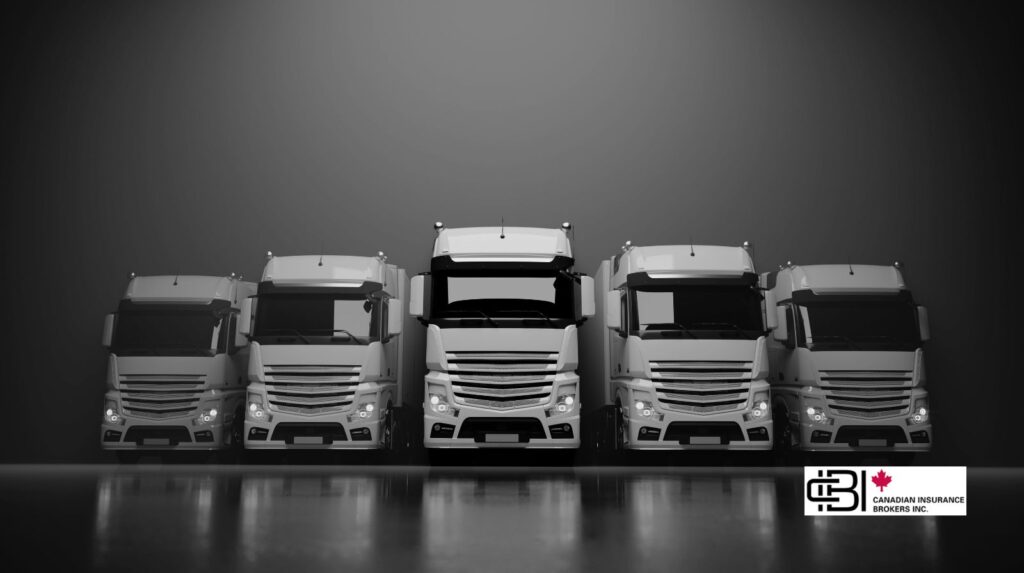







Commercial fleet vehicles require proper fleet insurance coverage in Oakville

Fleet Insurance in Oakville

Fleet Insurance in Oakville

We provide professional insurance guidance for businesses and individuals through a secure and confidential quote process designed to be clear, efficient, and easy to begin.

Locally established in Oakville, Ontario

Coverage designed to match your business needs

Insurance options reviewed across markets and emailed to you

Fleet Insurance in Oakville

We provide professional insurance guidance for businesses and individuals through a secure and confidential quote process designed to be clear, efficient, and easy to begin.

localise.png

Locally established in Oakville, Ontario

coverage.png

Coverage designed to match your business needs

localise.png

Insurance options reviewed across markets and emailed to you

In Oakville, vehicle insurance issues rarely surface because something went wrong. More often, they appear during paperwork. A new service contract. A vendor onboarding request. A requirement to show proof of coverage that applies to every company vehicle, not just one.

This is where many businesses discover that their existing auto insurance no longer reflects how their vehicles are being used. What once worked for a single work truck can fall short when vehicles are shared, routes overlap, or employees rotate behind the wheel.

Fleet insurance is designed for that reality. It treats vehicles as part of an operating system rather than as individual assets, which is why it often becomes relevant as businesses take on larger clients, managed properties, or municipal work in Oakville and across Halton Region.

Understanding when this transition happens, and what changes once it does, helps businesses avoid coverage gaps and last-minute delays when insurance is suddenly scrutinized.

The Point Where Vehicle Insurance Becomes a Structural Business Issue

Most Oakville businesses do not plan to buy fleet insurance. It becomes necessary as their vehicle use grows.

A local HVAC company working across Glen Abbey and River Oaks adds vehicles as it grows. A landscaping firm operating out of Bronte begins using subcontract drivers. A construction firm bidding on Halton Region projects is asked to list all company vehicles under one certificate.

At that point, insurers stop looking at vehicles individually and start underwriting how the business uses vehicles as part of operations. That shift is what defines company vehicle fleet insurance, not just the number of keys on the hook.

This is where confusion often begins. When vehicle use changes but insurance has not been reviewed, scheduling a meeting to walk through operations can help prevent coverage gaps and last-minute compliance issues.

What Fleet Insurance Actually Means

Managing multiple service vehicles on the road can increase auto liability and accident risk without the right fleet insurance coverage in place.

Before discussing cost or eligibility, it helps to clarify what insurers mean when they refer to fleet insurance.

Fleet insurance is a form of commercial insurance that covers multiple business-owned or business-operated vehicles under one policy. Instead of rating each vehicle separately, insurers evaluate how the business uses its vehicles overall.

This includes how vehicles are used, who drives them, how often they are on the road, and whether vehicle use is central to the business’s operations. That is why many explanations of fleet insurance feel incomplete. It is not just bundled auto insurance. It is a different underwriting approach.

How Many Vehicles Qualify as Fleet Insurance in Canada

The number of vehicles required for fleet insurance is one of the most searched and misunderstood questions.

In practice, there is no fixed legal threshold. Some insurers define a fleet as five or more vehicles. Others will consider small fleets with as few as three vehicles, particularly for service and trade businesses.

In Oakville, fleets of three to seven vehicles are commonly written under fleet auto insurance Canada programs because vehicles rotate drivers, operate across multiple job sites, or are required to be listed under a single certificate for vendor onboarding.

So when businesses ask how many vehicles qualify as fleet insurance in Canada, the more accurate answer is that usage patterns often matter more than vehicle count.

How Fleet Insurance Works Once You Have It

Once a business moves into a fleet structure, the way insurance operates changes in subtle but important ways.

Fleet insurance works by grouping vehicles under one policy, often with drivers rated by class rather than individually. Claims history is tracked across the fleet instead of vehicle by vehicle. Adding or removing vehicles mid-term is usually simpler, but also requires disciplined reporting.

For Oakville businesses operating across Halton Region or the GTA, this structure can reduce administrative friction. It can also create exposure if businesses assume vehicles or drivers are automatically covered without understanding the policy conditions.

This is the practical reality behind how fleet insurance works in Canada.

Fleet Insurance vs Commercial Auto Insurance in Canada

Many businesses assume fleet insurance is a different legal requirement. It is not.

The difference between fleet insurance vs commercial auto insurance in Canada is structural. Commercial auto insurance can insure one or several vehicles, each rated individually. Fleet insurance consolidates multiple vehicles into a single underwriting framework.

For small businesses with stable drivers and limited growth, traditional business vehicle insurance policies can be sufficient. As operations scale or contracts become more complex, fleet structures often make compliance easier, though not always cheaper.

Is Fleet Insurance Cheaper Than Individual Commercial Auto Insurance?

Cost is often the deciding factor, and also where expectations are most often misplaced.

Fleet insurance is not automatically cheaper. In Ontario, fleet insurance cost commonly ranges from $2,000 to $3,500 per vehicle per year, depending on claims history, driver controls, vehicle type, and mileage. Small fleets with good loss records may see efficiencies as they grow, while fleets with frequent minor claims can end up paying more than if vehicles were insured separately.

The assumption that fleet insurance is always cheaper than individual commercial auto insurance remains one of the most persistent myths in this area.

What Does Fleet Insurance Cover in Canada?

Coverage under a fleet policy generally mirrors standard commercial auto insurance, but applies consistently across all scheduled vehicles.

Fleet insurance in Canada typically includes third-party liability, accident benefits, uninsured automobile coverage, and optional physical damage coverage. The key difference is not what is covered, but how coverage applies across vehicles and drivers.

For Oakville businesses working on construction sites, managed properties, or municipal contracts, clarity around driver eligibility and vehicle classification is often more important than the coverage limits themselves.

A Practical Look at Fleet Risk in Ontario

Fleet-related losses remain one of the most significant sources of insurance claims for Ontario businesses, particularly in service and construction trades. Below is a simplified snapshot of common fleet risk issues seen in Ontario operations:

Fleet Risk Area Common Ontario Scenario Why It Matters
Driver rotation Multiple employees using the same service vehicle Driver eligibility errors can void coverage
Vehicle use Personal use mixed with job-site travel Misclassification can trigger claim disputes
Vehicle growth New vehicles added mid-year Unreported vehicles may not be covered
Claims aggregation Repeated minor accidents Fleet-wide claims affect pricing

Industry data commonly referenced by Canadian insurers shows that commercial auto claims consistently rank among the top loss drivers for small and mid-sized businesses.

Do Small Businesses in Oakville Really Need Fleet Insurance?

Many small businesses in Oakville assume fleet insurance is only for large companies. In reality, need is driven less by size and more by operational complexity.

Businesses typically find themselves needing fleet insurance when property managers, corporate clients, or municipalities require a single certificate listing all company vehicles. Growth, driver turnover, and expansion beyond Oakville into surrounding municipalities also accelerate the need.

So while not every small business needs fleet insurance immediately, many end up requiring it sooner than expected.

Finding the Best Fleet Insurance for Small Fleets in Canada

The best fleet insurance for small fleets is rarely defined by price alone.

Strong fleet policies reflect how vehicles are actually used, align with Ontario regulatory realities, and remain defensible when claims arise months or years later. Oakville businesses benefit from advisors who understand local contracting norms, landlord requirements, and how insurers evaluate risk in Southern Ontario.

Fleet insurance is most effective when it supports operations rather than complicating them. For businesses unsure whether their current coverage still fits how vehicles are being used, it can be helpful to schedule a meeting to review fleet structure before issues surface at renewal or claim time.

Frequently Asked Questions

Some insurers accept fleets starting at three vehicles, depending on use.

No. Liability insurance is required, but fleet insurance is optional.

Not always. Cost depends on claims history and management.

It typically covers liability, accident benefits, uninsured auto, and optional physical damage.

Yes. Many insurers offer programs designed for small fleets.

Sometimes. Ownership and usage must be disclosed.

Only if permitted and properly declared in the policy.

James Inwood supports Oakville businesses with fleet insurance solutions
James Inwood helps Oakville businesses secure the right fleet insurance coverage to protect their vehicles, drivers, and operations as fleets grow, routes expand, and daily use increases.

James Inwood is a Canadian insurance advisor and editor specializing in business insurance across Ontario. Based in Oakville, his work focuses on commercial auto risk, liability exposure, and how insurance policies respond when real-world claims arise. He advises small and mid-sized businesses throughout Oakville and Halton Region, with particular attention to vehicle-related risks that often emerge as companies grow.

James Inwood, Insurance Broker
RIBO licensed | LinkedIn

Leave a Comment

Your email address will not be published. Required fields are marked *