
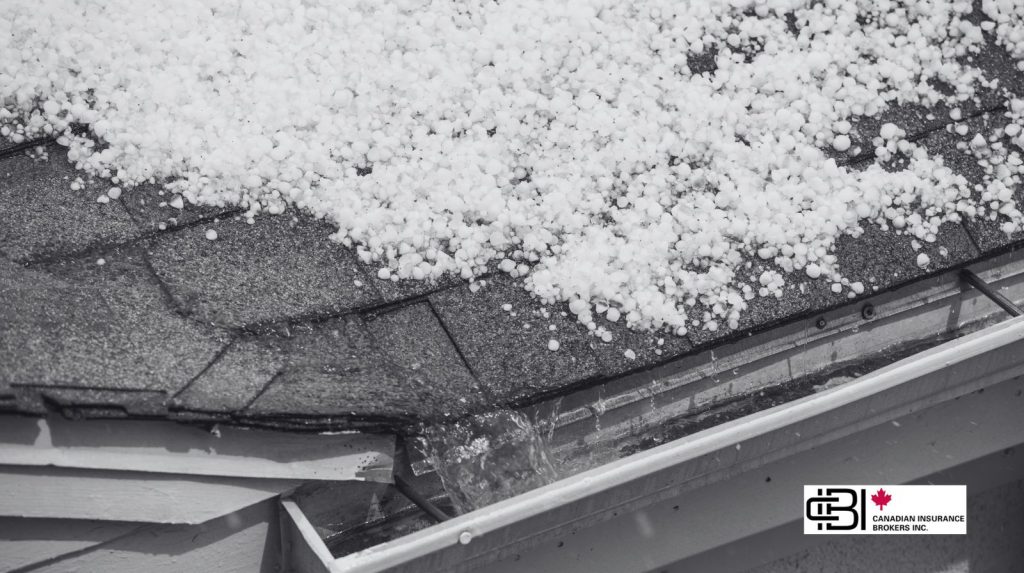
Hail Insurance in Ontario
We provide professional insurance guidance for businesses and individuals through a secure and confidential quote process designed to be clear, efficient, and easy to begin.

Locally established in Oakville, Ontario

Coverage designed to match your business needs

Insurance options reviewed across markets and emailed to you

Hail Insurance in Ontario

We provide professional insurance guidance for businesses and individuals through a secure and confidential quote process designed to be clear, efficient, and easy to begin.

Locally established in Oakville, Ontario

Coverage designed to match your business needs
Insurance options reviewed across markets and emailed to you

Hail damage is one of the most underestimated risks in Ontario. While most business owners plan for snow, fire, or water damage, hail tends to be treated as a rare event. The reality is different. Hailstorms can cause immediate, widespread damage in minutes, affecting roofs, siding, vehicles, and exposed equipment.
Across Ontario and surrounding regions, hail activity has become more noticeable in recent years. From an insurance standpoint, the issue is not just the storm itself. It is how quickly repair costs escalate and how coverage responds under real claim conditions.
Hail insurance is not something you buy separately. It is built into broader policies like home insurance, auto insurance, and commercial property insurance. Understanding how that coverage actually works is what helps avoid gaps when a loss occurs.
At a Glance: Hail Insurance in Ontario
- Hail damage is typically covered under property and auto insurance
- Vehicle damage requires comprehensive auto coverage
- Commercial property insurance responds to physical hail damage
- Claims are based on inspections, repair costs, and policy structure
- Severe weather losses in Canada now exceed $2 billion annually
- Deductibles and depreciation can significantly affect payouts

What Is Hail Insurance?
Hail insurance refers to the portion of an insurance policy that covers damage caused by hailstorms.
It is embedded within:
From an insurance perspective, hail is considered a covered peril when it causes direct physical damage. That distinction is important. Insurance responds to damage, not the weather event itself.
Does Insurance Cover Hail Damage?
In most cases, yes. The details depend on the type of policy. Home insurance typically includes hail as a covered peril, meaning damage to roofs, siding, and structural components is generally covered. For vehicles, it depends on coverage type:
- Comprehensive coverage includes hail damage
- Basic liability coverage does not
For businesses, hail damage is covered under commercial property insurance as long as it results in physical damage to insured assets.
Why Hail Risk Is Increasing in Ontario
Ontario is seeing a shift in weather patterns. Warmer summers and stronger storm systems are contributing to more intense thunderstorms, and hail is becoming a more frequent part of those events.
Severe weather losses across Canada now exceed $2 billion annually. A growing portion of those claims are coming from Ontario, particularly in densely populated areas.
Neighbourhoods and regions seeing more activity include:
- North York and Scarborough
- Vaughan and Richmond Hill
- Oakville, Burlington, and Milton
- Hamilton and Niagara Region
In urban areas, the financial impact is amplified. Higher property values and denser infrastructure mean that even a short hailstorm can result in significant claims.
How Hail Insurance Works in Ontario
Coverage is triggered when hail causes measurable physical damage to insured property.
For example, a business in Ontario may experience roof damage after a storm. The commercial property policy responds to repair costs. If operations are affected, business interruption coverage may also apply, helping offset lost income and ongoing expenses.
This layered response is where insurance becomes valuable. It is not just about repairing damage. It is about maintaining continuity while recovery takes place.
What Does Hail Insurance Cover?
Hail insurance is designed to restore property and reduce financial disruption. Coverage generally includes:
- Structural damage to roofs and exteriors
- Damage to equipment exposed to weather
- Vehicle damage under comprehensive coverage
- Repair or replacement costs
For businesses, coverage may also extend to:
- Loss of income if operations are interrupted
- Additional expenses required to continue operating
The exact scope depends on how the policy is structured, which is why reviewing coverage details is important.
What Is Not Covered?
Insurance is designed for sudden and accidental damage, not gradual deterioration. Common exclusions include:
- Pre-existing damage
- Wear and tear
- Poor maintenance
- Cosmetic damage that does not affect function
These distinctions often become important during the claims process, especially when damage is less obvious.
How Insurance Companies Determine Hail Damage
When a claim is filed, insurers follow a structured evaluation process. This typically includes:
- On-site inspection of the damage
- Verification of the hail event using weather data
- Assessment of repair or replacement costs
- Application of depreciation where applicable
Adjusters may also compare the condition of the property before and after the event. Documentation plays a major role here. Clear photos, timelines, and maintenance records can help support the claim.
How to Make an Insurance Claim for Hail Damage
The claims process is straightforward, but how it is handled can affect the outcome. After a hail event, damage should be documented immediately. Photos and videos help establish the extent of the loss. Any steps taken to prevent further damage should also be recorded.
Once the insurer or broker is notified, an inspection is scheduled. Supporting documents such as repair estimates or financial records may be required, especially for business claims. If you are unsure how your policy responds before a claim happens, it is worth reviewing it in advance.
Get a quote to help you understand whether your coverage aligns with your actual risk.
Average Insurance Payout for Hail Damage
Payouts vary depending on severity, property type, and policy structure. In Ontario, typical ranges look like this:
- Residential claims: $5,000 to $25,000
- Vehicle claims: $2,000 to $15,000
- Commercial claims: can exceed $100,000 when operations are affected
The average insurance payout for hail damage has been increasing, largely due to rising construction and labour costs.
Hail Damage Insurance Claim Calculation
Insurance companies calculate claims based on repair or replacement costs, adjusted for deductibles and depreciation. A simplified version looks like this:
Claim value = repair cost – deductible – depreciation
The outcome depends heavily on policy structure. Replacement cost coverage and accurate property valuation can significantly affect the final payout.
Commercial Property Insurance and Hail
For businesses, hail damage is handled under commercial property insurance. This type of coverage is designed to protect:
- Buildings
- Equipment
- Inventory
If a contractor in Hamilton has tools damaged during a storm or a retail space in Mississauga experiences roof damage, the property policy responds. If the damage interrupts operations, business interruption coverage may also apply. This is where insurance moves beyond repair and helps stabilize the business financially.
The Operational Impact of Hail on Businesses
Hail damage often leads to secondary issues that are not immediately obvious. Roof damage can lead to water intrusion. Equipment exposure can cause delays. Access to the property may be restricted.
These disruptions can create financial pressure quickly, especially if revenue stops but expenses continue.
This is where coverage structure matters. If your current policy has not been reviewed recently, it may not reflect your actual exposure. Getting a quote is one way to identify whether there are gaps before a loss occurs.
Estimated Impact of Hail Damage by Property Type in Ontario
| Property Type | Typical Damage Areas | Average Claim Range | Insurance Coverage Type |
|---|---|---|---|
| Residential Home | Roof, siding, windows | $5,000 to $25,000 | Home Insurance |
| Commercial Property | Roofing, equipment, signage | $20,000 to $100,000+ | Commercial Property Insurance |
| Vehicle | Dents, glass damage | $2,000 to $15,000 | Comprehensive Auto Insurance |
| Contractor Equipment | Tools, outdoor machinery | $10,000 to $50,000 | Equipment Coverage |
Why Many Policies Fall Short
Most businesses and homeowners have coverage, but it does not always reflect real-world exposure. Common issues include:
- Coverage based on outdated property values
- Deductibles that are too high relative to risk
- Missing endorsements or incomplete auto coverage
- No consideration for operational downtime
These gaps are usually only discovered during a claim.
How to Strengthen Your Coverage
Improving coverage starts with understanding how risk actually shows up in your situation.
That includes reviewing property values, ensuring replacement cost coverage, and evaluating whether business interruption coverage reflects realistic recovery timelines.
Get a quote to compare options and make adjustments before a loss occurs.
Why Hail Insurance Matters More Than Ever
Hail is unpredictable and can create immediate disruption. The real impact is not just the damage itself, but how long recovery takes and how well insurance supports that process.
Businesses that recover quickly are usually those with properly structured coverage. The difference often comes down to preparation and clarity.
Visual: A Guide to Hail Insurance in Ontario

Why Work With James Inwood
James Inwood works with business owners across Ontario who want clarity around how insurance performs in real situations, not just how it looks on paper.
His approach is grounded in experience. He focuses on how policies respond during actual claims, especially in situations involving weather-related risks like hail where small gaps can lead to significant financial impact.
He works closely with contractors, trades, and growing businesses to align insurance with how they operate day to day. That includes identifying exposure, adjusting coverage, and ensuring policies are built for recovery, not just compliance.
Get a quote or book a quick call to review your options and see how your current coverage compares to your actual risk.
Frequently Asked Questions
It can, but not always directly. Hail is considered a weather-related event, so insurers may not penalize individual claims as heavily as at-fault incidents. However, multiple claims or increased regional risk can lead to higher premiums over time.
This depends on your deductible and the severity of the damage. If repair costs are close to your deductible, it may not make sense to file a claim. For more significant damage, especially to roofing or structural components, filing a claim is usually the better option.
Most policies require claims to be reported as soon as reasonably possible. Delays can complicate the process, especially if further damage occurs or documentation becomes unclear.
Yes. Even if damage appears cosmetic, it can impact resale value and lead to more serious issues over time, such as leaks or structural deterioration.
In many cases, yes. Newer construction materials may be more impact-resistant, but they are not immune. Coverage still needs to reflect replacement costs and current building standards.


James Inwood is a commercial insurance advisor based in Oakville who works with business owners across the GTA and Halton Region. He focuses on helping clients understand how insurance actually performs when something goes wrong. That includes breaking down coverage in practical terms, identifying gaps before they become problems, and structuring policies around real operational risk.
James Inwood, Insurance Broker
RIBO licensed | LinkedIn